
Staircase Installations
Staircase Installation Planning Guide
A new staircase is a major piece of carpentry, so the planning needs to be precise. Measurements, layout, access, finish choices, balustrades, and surrounding floors all need to be understood before materials are ordered.
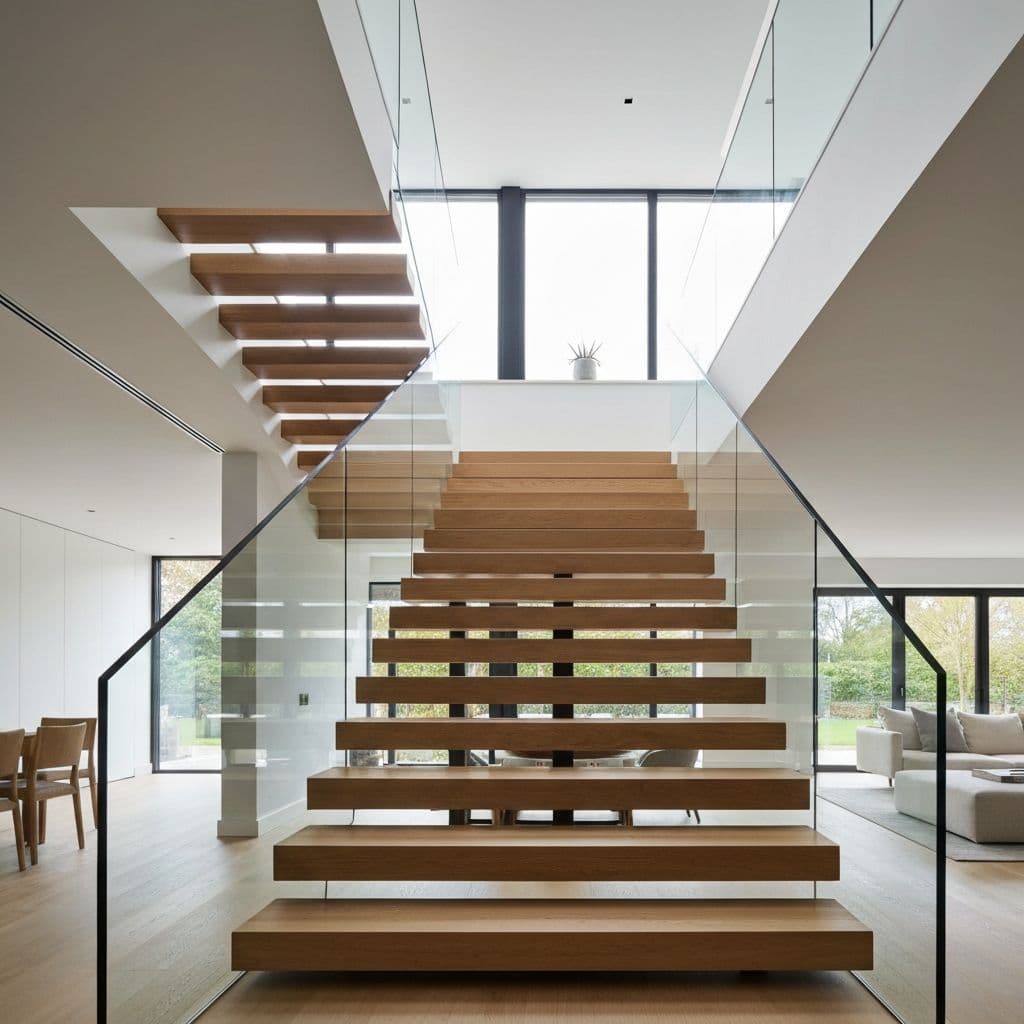
Key takeaways
- A staircase installation should start with accurate measurements and a clear understanding of the opening, rise, going, and landing space.
- Access and disruption matter because the staircase affects how people move through the home while work is taking place.
- Balustrades, trims, flooring, and finishing should be planned together so the new staircase does not feel disconnected from the hallway.
Visual References
Details to look for before you brief the work
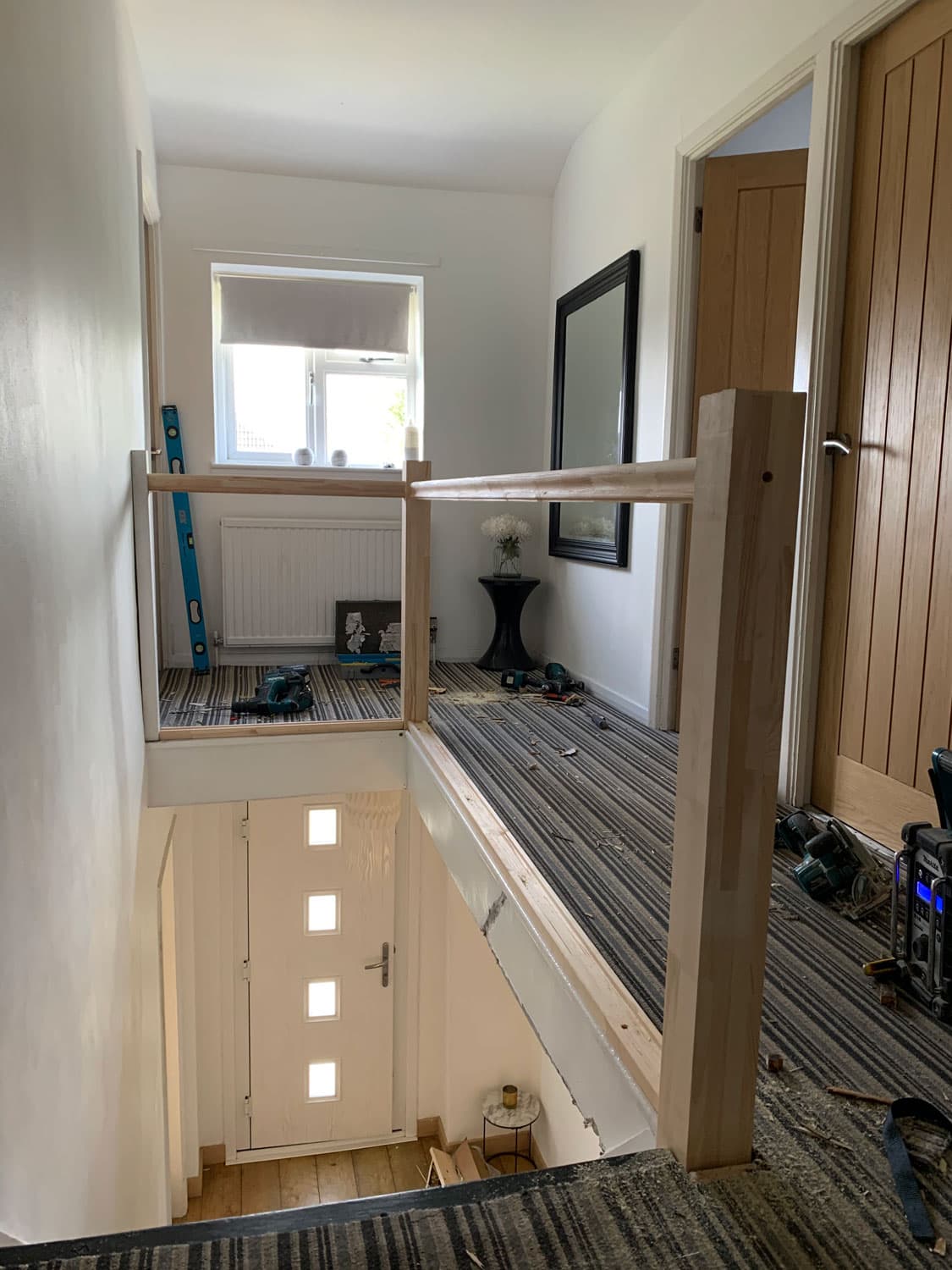
Key details to confirm early
The opening, rise, going, landing space, headroom, and surrounding hallway all affect the final staircase specification. Small measurement errors can create larger problems later, so the first step is to understand the space rather than jumping straight to the finish.
If the staircase is part of a loft conversion, extension, or wider renovation, drawings and structural notes are especially useful. They help connect the staircase work with the rest of the project instead of treating it as a standalone item.
- Check whether the layout is staying the same or changing.
- Decide between traditional timber, cleaner modern details, or a mixed finish.
- Plan landing balustrades and trim at the same time.
Layout, access, and disruption
Staircase work affects how the home is used while fitting is taking place. Access to bedrooms, bathrooms, loft rooms, landings, and the front door route should be considered before work starts.
The best plan is practical. It should cover delivery, working space, protection, temporary disruption, and how the new staircase connects to surrounding floors and walls.
Balustrades and finish choices
The staircase itself is only part of the finished result. Newel posts, spindles, handrails, baserails, trims, strings, treads, risers, and landing balustrades all shape the final look.
Finish decisions should be made with the hallway in mind. Timber, painted details, carpet, runners, wall colour, and flooring should work together so the staircase feels fitted to the house.
Regulations and design checks
A new staircase can involve building regulations, especially where the layout, pitch, headroom, guarding, or access route is changing. The exact requirements depend on the project and should be checked as part of the wider renovation plan where relevant.
From a carpentry point of view, the important thing is to avoid treating the staircase as a decorative item only. It needs to be practical, safe, well measured, and suited to the space.
What helps with a quote
Photos, rough measurements, layout notes, drawings, and any renovation plans help shape the first conversation. If the staircase is replacing an existing one, include photos of the current stairs from multiple angles.
If the staircase is new, include drawings or notes showing where the opening and landings are expected to sit. This makes it easier to discuss whether a site visit, further measurements, or design input is needed next.
Staircase Installations FAQs
Can a new staircase be fitted in the same position as the old one?
Often, yes, if the existing layout still works and the measurements are suitable. The current opening, floor levels, landing space, and surrounding finishes still need checking before ordering.
Do I need drawings for a staircase installation quote?
Drawings are very helpful for new layouts, loft conversions, and extensions. For like-for-like replacement discussions, clear photos and rough measurements can start the process before a proper measure-up.
Should balustrades be planned with the staircase?
Yes. Handrails, spindles, newel posts, landing balustrades, trims, and flooring details all affect the finished staircase and should be considered together.
Related Guides
Local Pages
Staircase Installations pages for nearby areas
If you are planning this type of work locally, these pages include area-specific quote notes, related services, visual references, and nearby coverage.
Need advice on a real project?
Send the project details and photos, and T Lefort Carpentry will advise on the next step before quoting.