
Fitted Wardrobes
Fitted Wardrobe Costs in Hertfordshire
Fitted wardrobe pricing is shaped by the size of the run, the room shape, the doors, the finish, and the internal storage. The best starting point is not a guess at a price. It is a clear brief, good photos, and rough measurements so the design can be matched to the room.
Key takeaways
- Measure the wall width, ceiling height, alcoves, sockets, radiators, and any awkward corners before asking for a quote.
- The main cost drivers are size, door style, drawer quantity, finish, lighting, and the amount of site fitting needed.
- Good wardrobe design starts with what you need to store, not just how the outside should look.
Visual References
Details to look for before you brief the work
Finished
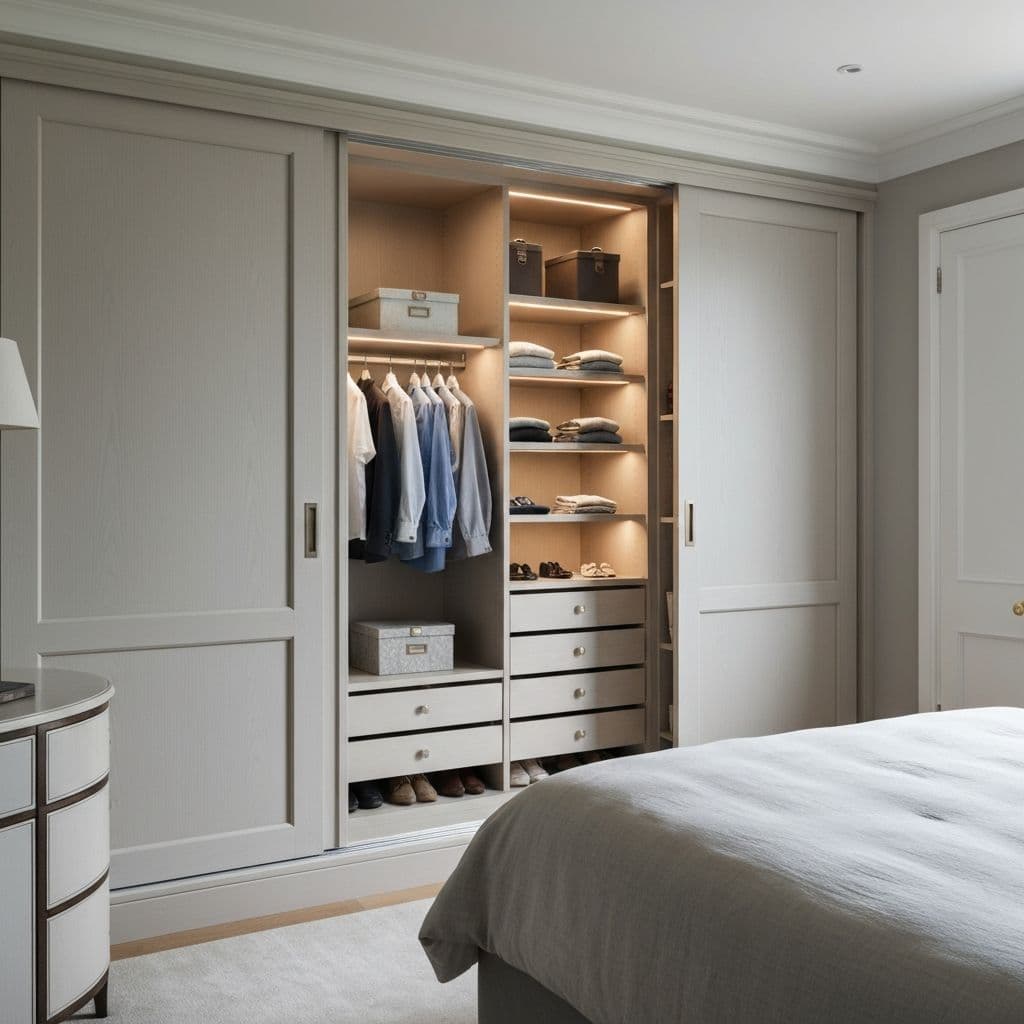
Fitted Wardrobe Reference
Wardrobe reference for planning door style, storage depth, and the way fitted furniture meets the room.
Finished
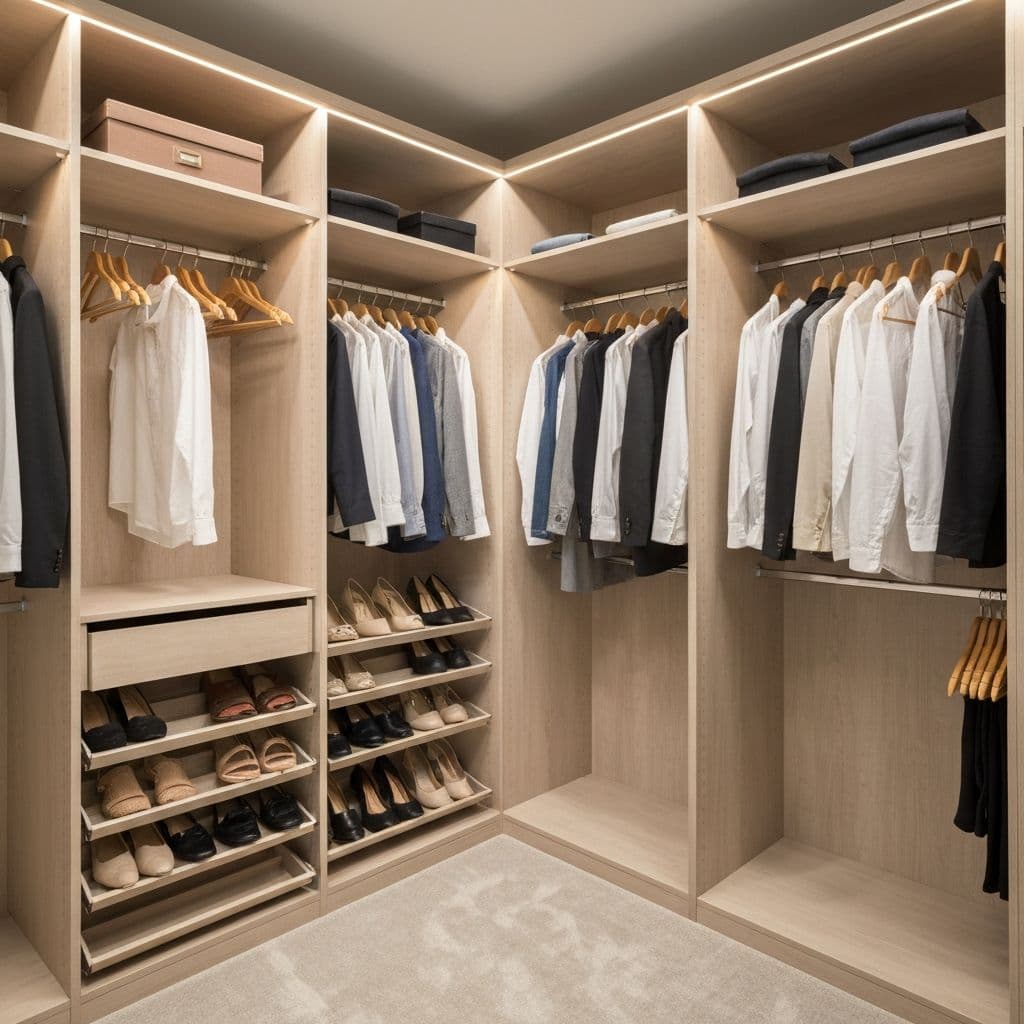
Wardrobe Room Storage
Fitted bedroom storage reference with practical room use and clean joinery details in mind.
Finished
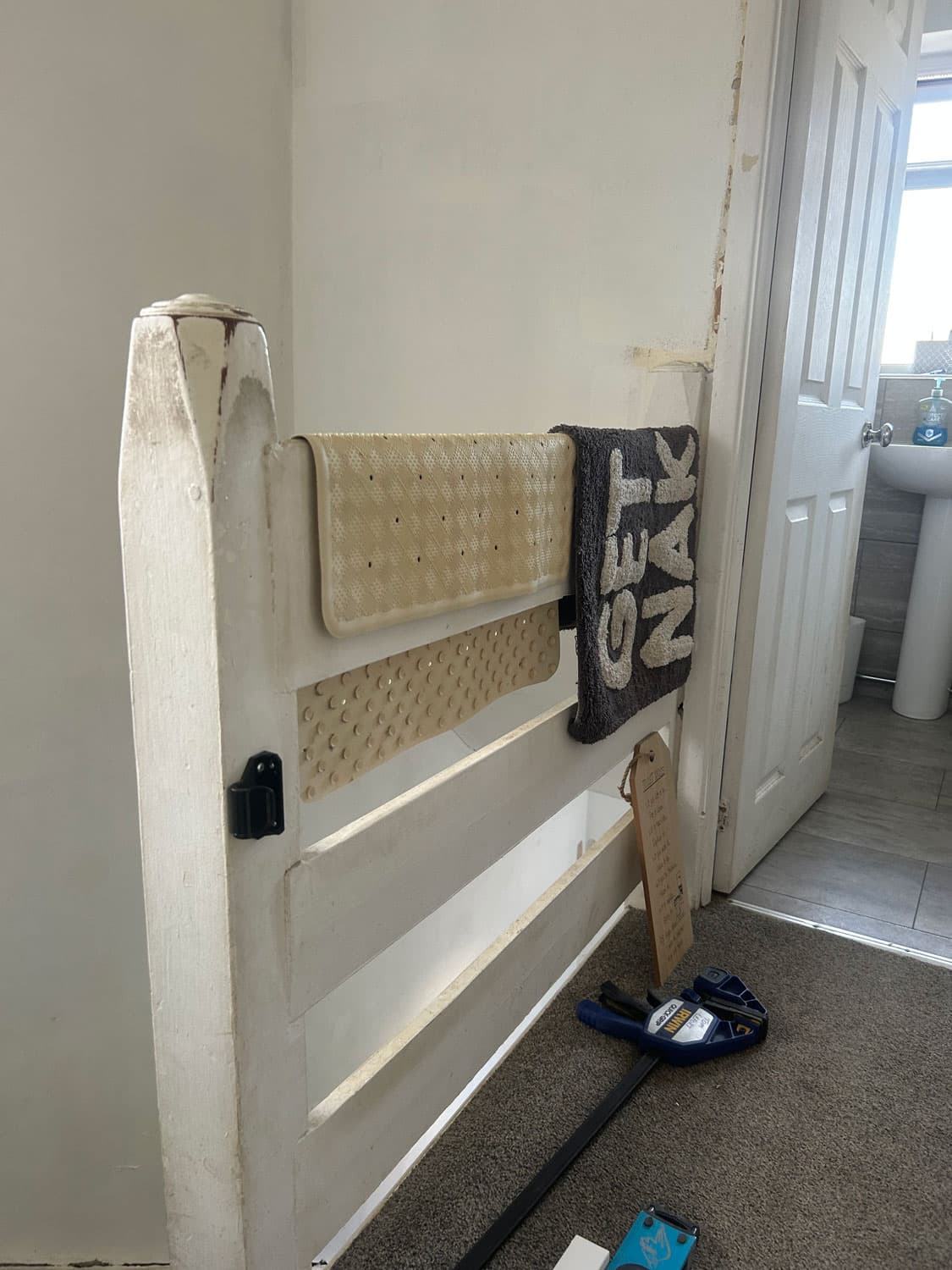
Bespoke Bed Joinery
Made-to-measure bedroom joinery showing fitted storage detailing around a room feature.
Start with the room and storage problem
A fitted wardrobe should solve the room properly. In Hertfordshire homes this often means working around chimney breasts, alcoves, sloped ceilings, uneven walls, low beams, radiators, sockets, or tight door swings.
Before choosing colours or door styles, list what the wardrobe needs to store. Separate long hanging, short hanging, folded clothes, shoes, bags, suitcases, jewellery, and seasonal items. That gives the design a practical brief and avoids paying for storage that looks good but is awkward to use.
- Check whether the wardrobes need to run wall to wall, sit in an alcove, or stop before a window or radiator.
- Think about daily access first: the most-used items should be easy to reach without moving other things.
- Allow for skirting, coving, sockets, switches, and door clearance before deciding the final layout.
What drives fitted wardrobe cost
The largest cost drivers are usually the length and height of the wardrobe, the number of doors, the door construction, the finish, and the internal layout. A simple hanging and shelving layout will normally be more straightforward than a design with several drawers, mirrors, lighting, pull-out accessories, or detailed panel work.
The room itself also affects the work. If walls are out of square or ceilings are uneven, the fitting needs more care so the finished wardrobes look intentional rather than forced into the space.
- Full-height wardrobes use more material but can make better use of the room.
- Drawers, mirrors, lighting, soft-close hardware, and specialist pull-outs add detail and fitting time.
- Painted, veneered, mirrored, shaker, slab, and sliding doors all change the final cost and look.
Door styles and finishes
Hinged doors are flexible and suit many bedroom layouts, while sliding doors can help where the bed or furniture sits close to the wardrobe run. Shaker doors suit a more traditional feel, slab doors look cleaner and more modern, and mirrors can make a smaller room feel lighter.
Finish choice should suit the rest of the room. Painted finishes, timber details, handles, and internal colour all need to work with flooring, skirting, wall colour, and natural light.
Planning around awkward rooms
Fitted wardrobes are particularly useful where standard furniture wastes space. Alcoves, loft bedrooms, box rooms, and older properties can all benefit from a design that follows the actual shape of the room.
The important detail is to keep the design usable. Very deep corners, badly placed shelves, and oversized doors can make the wardrobe harder to live with, even if the outside looks tidy.
- Use shelves or short hanging where roof slopes reduce full-height space.
- Keep drawers where they can fully open without hitting the bed or door.
- Plan sockets and lighting before the wardrobe is built, not afterwards.
What to send for a faster quote
A first quote conversation is much quicker when the carpenter can see the wall, ceiling, floor, and access. Rough measurements are enough at the early stage, but photos should be clear and taken from more than one angle.
Final measurements should still be taken properly before materials are ordered. The early information simply helps narrow the design, likely finish, and next steps.
Fitted Wardrobes FAQs
Can fitted wardrobes be built around chimney breasts or alcoves?
Yes. Alcoves and chimney breasts are one of the main reasons homeowners choose fitted wardrobes. The design should be measured around the actual wall shape so the storage looks built in and uses the available depth sensibly.
Do I need drawings before asking for a fitted wardrobe quote?
No. Photos, rough measurements, and a storage wish list are usually enough to start the conversation. A more exact layout can be agreed after the room has been checked.
Are fitted wardrobes better than freestanding wardrobes?
Fitted wardrobes are usually better when the room has alcoves, uneven walls, awkward corners, or limited floor space. Freestanding furniture can still work in simpler rooms where the dimensions already suit standard sizes.
Related Guides
Local Pages
Fitted Wardrobes pages for nearby areas
If you are planning this type of work locally, these pages include area-specific quote notes, related services, visual references, and nearby coverage.
Need advice on a real project?
Send the project details and photos, and T Lefort Carpentry will advise on the next step before quoting.