
Door Fitting
Internal Door Fitting Guide
Good door fitting is about more than hanging a door. Existing frames, flooring, hinges, handles, latches, locks, stops, and clearances all affect whether the door looks right and works smoothly.
Key takeaways
- Every opening should be checked because older frames are not always square or consistent.
- Door fitting needs to account for hinges, latches, handles, locks, flooring, carpet, and paint finish.
- Clear photos and the number of doors help make the first quote conversation quicker.
Visual References
Details to look for before you brief the work

Why every opening needs checking
Internal doors are rarely just a standard item swapped into a perfect opening. Older frames can be out of square, stops can be damaged, previous hinges may have been chopped in badly, and floors can sit higher after new carpet or wood flooring.
Each opening should be checked so the door can be trimmed, hung, and adjusted properly. This is especially important when several doors are being replaced across a home, because the frames may all be slightly different.
- Door size and frame condition.
- Hinge, latch, handle, and lock choice.
- Flooring height and carpet clearance.
Trimming, hinges, and hardware
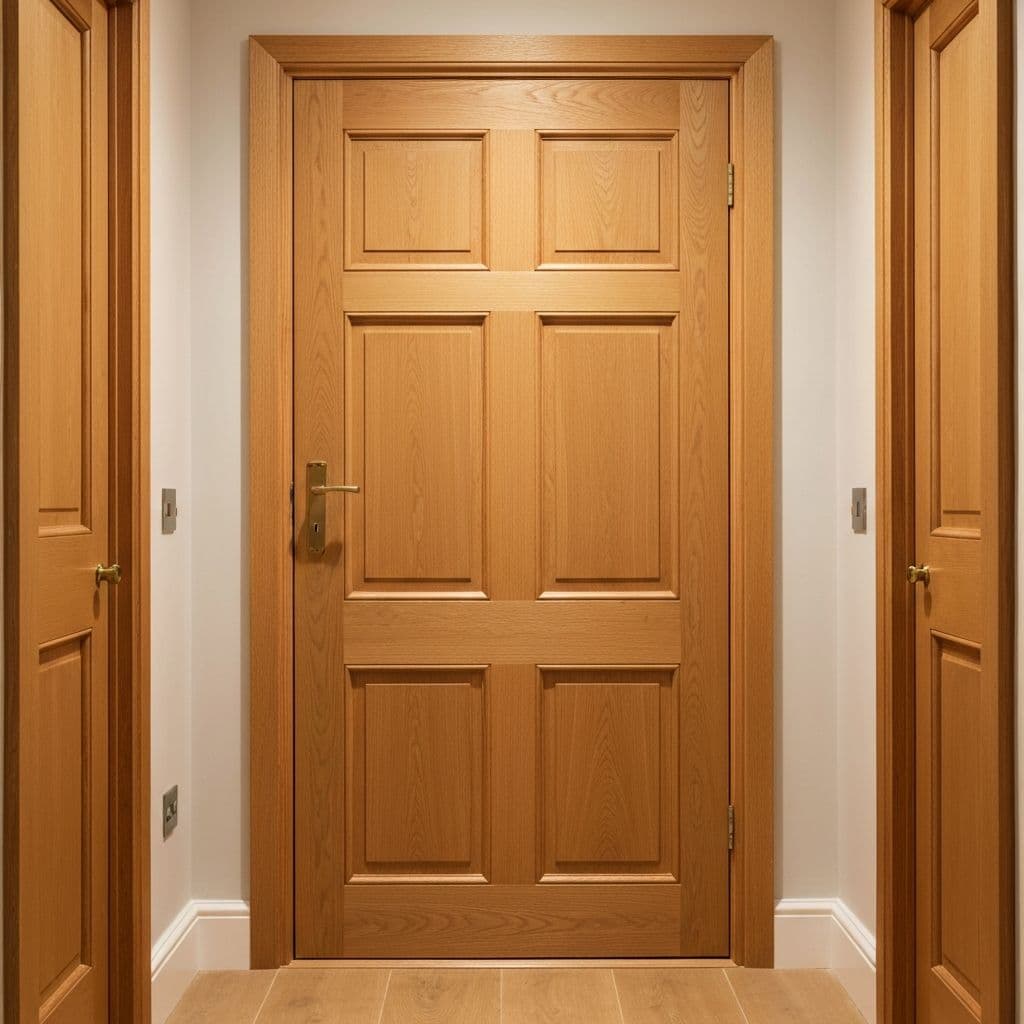
A well-fitted door should swing cleanly, close without force, and sit evenly in the frame. Trimming needs to be careful so the door does not end up with uneven margins or weak edges.
Hardware choice matters too. Hinges, latches, handles, bathroom locks, privacy locks, and fire-rated requirements can all change the fitting process. If you are supplying the doors and hardware, it is worth confirming that everything is compatible before the fitting day.
Flooring and clearance
New flooring is one of the most common reasons doors need attention. A door that worked with old carpet may catch once new carpet, underlay, engineered wood, or laminate is fitted.
Clearance should be practical without looking excessive. The aim is a door that works with the flooring and still looks neat within the frame.
When doors can be adjusted
Sticking doors can often be planed, adjusted, or rehung, but the cause needs checking first. Humidity, new flooring, hinge movement, frame distortion, and latch alignment can all create similar symptoms.
If a door has been badly cut in the past, adjustment may still help, but replacement might give a better finish. Photos help identify which route is more likely before a visit.
Quote preparation
Send the number of doors, frame photos, door type, and whether hardware is already supplied. If the doors are already purchased, include the door sizes and material details.
For multiple doors, a quick list by room is useful. For example: two bedroom doors, one bathroom door with lock, one cupboard door, and one living room door with glazed panels.
Door Fitting FAQs
Can existing doors be adjusted instead of replaced?
Often, yes. Sticking, rubbing, and latch issues can sometimes be corrected by trimming, rehanging, or adjusting hardware. The frame and door condition need checking first.
Should doors be fitted before or after new flooring?
It depends on the project, but final clearances are easier to judge once flooring height is known. If new flooring is planned, mention it before booking door fitting.
Can I supply my own doors and handles?
Yes, but it is worth checking door sizes, weight, hinge requirements, and hardware compatibility before fitting. Photos and product details help avoid surprises.
Related Guides
Local Pages
Door Fitting pages for nearby areas
If you are planning this type of work locally, these pages include area-specific quote notes, related services, visual references, and nearby coverage.
Need advice on a real project?
Send the project details and photos, and T Lefort Carpentry will advise on the next step before quoting.